
Dairy Cattle

accelerateonline • June 3, 2020

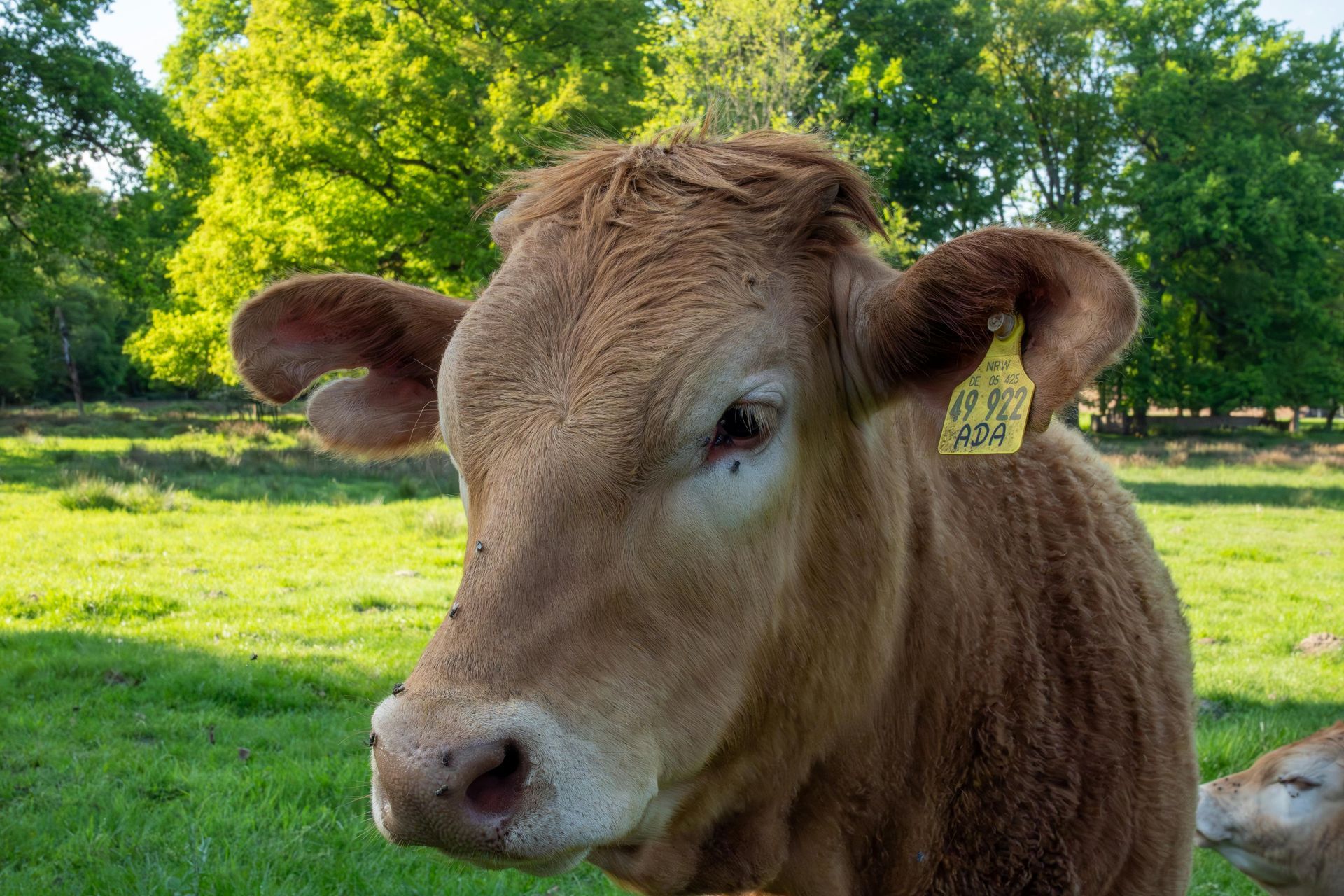
The values for Dairy this year are a mixed bag, with some values increasing against the general trend of decreases. The overall values for dairy have held up far better than sheep and beef values. This has occurred for two reasons, firstly R1 and R2 values are influenced by live export demand, with live exporters securing dairy heifers at a premium to the local market. Second, the demand for replacement herds following Mycoplasma Bovis has had a supportive effect on values

A Mixed Age Dairy cow now has a National Average Market Value of $1,525 compared to $1,513 last year – a rise of 0.8%. Rising two-year heifers have dropped by a little over 4% to $1,222. Rising one-year heifers have increased by 7.59% to $737.

The impact of COVID-19 has not been as widely felt in dairy values compared to sheep and beef , but has created significant uncertainty for the future outlook in terms of the farmgate milk price and consequently market values for dairy cattle. COVID-19 is likely to see some retrenchment in international markets, which could see demand for traditional New Zealand dairy products fall, but at the same time there is increased demand for some of our niche products, particularly for pharmaceuticals. It remains to be seen what impact this will have in the short term.

Changes to the proposed water quality standards have provided some relief for farmers, and dairy farmers in particular. However, water quality standards will continue to pose a risk to production capacity where nitrogen fertiliser is essential to maintain milk volumes. Labour shortages are also likely to create issues due to the unavailability of migrant workers as a result of COVID-19.

By Withers Admin December 7, 2025
Accelerate December 2025 As 2025 draws to a close, we’d like to thank you for your continued support this year. Our team is taking a well-earned break from Friday 19th December and will return to the office on Monday 12th January 2026. But before you switch on the out-of-office, take a moment to get your business ready for the holiday season. In this issue, we’ve included tips to help you manage the summer cash flow crunch, a guide on what you can (and can’t) claim back for festive spending, advice for compliant Christmas promotions, and a timely reminder to look after your team’s mental health as the year wraps up. Wishing you a safe, sunny, and successful holiday season! How to survive the Christmas cash flow crunch While retailers race through their busiest time of year, not every business benefits from the Christmas rush. Many service-based, wholesale, or manufacturing businesses might even face a sharp decline in orders just when holiday pay, bonuses, and annual shutdowns see expenses rise. 1. Forecast to February Projecting your income and expenses well into the new year helps you spot potential shortfalls and take action before they become problems. 2. Invoice early, follow up now Send invoices before your shutdown period and chase outstanding debts while clients are still around. 3. Prioritise essential spending Identify what expenses are necessary and what can wait until revenue picks back up. 4. Prepare for January’s tax obligations The 15 January due dates for PAYE, GST, and provisional tax can feel like a Grinchy surprise. Set aside funds now to avoid starting the new year under pressure. Worried about the summer squeeze If this season feels tight, get in touch.  Our financial advisors can help you plan ahead, manage your cash flow, and explore IRD instalment options to lighten the load. Tis the season for giving... but what can you claim back Gifts, bonuses, parties, and more: here’s a brief breakdown of what you can and can’t claim this festive season. Employee gifts Gifts that are not subject to the entertainment tax rules (vouchers, hampers, flowers) are fully deductible and exempt from Fringe Benefit Tax (FBT) if they cost less than $300 per employee per quarter, and the total for all staff stays below $22,500 a year. However, gifts that do fall under the entertainment tax rules, like food hampers or wine, or taking your team to a show or event, are 50% deductible, and not liable for FBT. Cash bonuses Bonuses are classed as income, so PAYE and other payroll taxes apply. These “lump sum” payments are taxed at a flat rate based on your employee’s income bracket. Client gifts Food, drink, or entertainment gifts are 50% deductible. Other gifts (flowers, movie tickets, a book) are 100% deductible Workplace events Christmas parties, client dinners, or team drinks are 50% deductible, while morning teas, office lunches, and charitable donations are fully deductible.
By Withers Admin December 4, 2023
Accelerate - December 2023
By Withers Admin December 4, 2023
Accelerate August 2023 
By accelerateonline June 12, 2023
Inland Revenue have recently announced this year’s livestock Herd Scheme Values and we think this is a great opportunity to update you on the latest movements. The Herd Scheme Values are the National Average Market Values, determined by a process involving a review of the livestock market as at 30 April.
By accelerateonline June 12, 2023
The values for Dairy this year have seen a fall in values across all female classes, but increases across all male classes. The fall in R1 heifer values can be attributed to the prohibition of live export by sea commencing from 30 April 2023. For the first time the National Average Market Value for R1 Heifers is less than the National Standard Cost of breeding and rearing an R1 Heifer.
By accelerateonline June 12, 2023
In contrast to Dairy values Beef values have increased on average 9% and are almost at record values for all classes.
By accelerateonline June 12, 2023
Sheep values have all fallen from the high of 2022, slipping back an average of 10.2%. Whilst values have fallen, they are still either the second or third highest that they have ever been depending on which class of sheep you are looking at.
By accelerateonline June 12, 2023
Goat values have increased on average 7.8% with almost all classes of fibre and meat producing goats at record highs. The value of milking goats continues to be well down from historic highs, except for breeding bucks which are at their highest value.
By accelerateonline May 21, 2023
Like the rest of the world, New Zealand has reeled from the aftermath of Covid, rising inflation and interest rates, and the cost-of-living crisis. This year we also have a massive storm damage repair bill.

Tax

By accelerateonline May 21, 2023
Any tax cuts, or changes to the tax thresholds were vetoed in Budget 2023 as this was viewed as worsening inflation.
More Posts